Artigo dos voluntários do Corpo Europeu de Solidariedade
Este mês partilhamos um artigo da autoria de um voluntário do projeto Corpo Europeu de Solidariedade – Volunteer Escapes. Os conteúdos partilhados resultaram do seu projeto de pesquisa de campo e bibliográfica, com o objetivo de fazer comunicação de ciência e divulgação dos trabalhos realizados aquando do seu voluntariado na Associação.
“We all know the word “tourism”, but what does it mean concretely?
According to the Britannica Dictionary, it relates to “the act and process of spending time away from home in pursuit of recreation, relaxation, and pleasure, while making use of the commercial provision of services.”
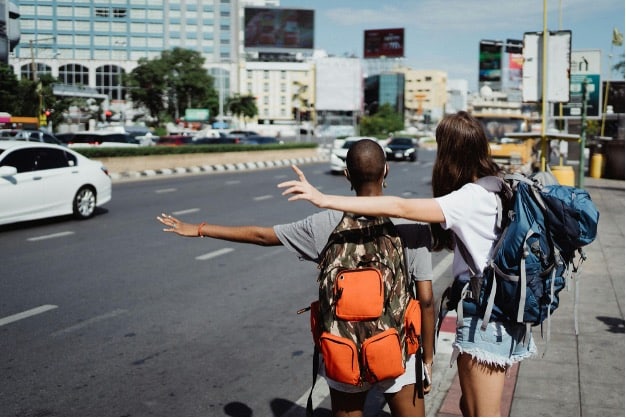
We, humans, all (or almost all) like to travel, visit some new beautiful places, meet foreigners and hike in breathtaking natural areas…
It has good sides inasmuch as it allows us to discover other cultures, landscapes, wildlife, etc. This tourism is also beneficial for the host countries because it generates employment and is essential for the economy. It applies for Portugal but also other countries, some depending on it to survive. However, this lifestyle can be a little too much or even way too much if we overdo it.
Portugal is a good example of tourism that has grown significantly in recent years. Thus, according to the Instituto Nacional de Estatística, the number of non-resident tourist arrivals has increased by 9,3% compared to 2023, that is to say 29 million.
The hidden part of the iceberg is that tourism can become, and is nowadays becoming, massive tourism, which describes destinations overwhelmed by visitor numbers exceeding their capacity. This can lead to notable environmental issues, including in Portugal, such as: global warming increase due to air and water pollution caused by planes and ships; soil and water contamination because of the amount of waste discarded ; and loss of traditional landscapes and animals’ habitats due to the increase of tourist facilities and the presence of too many people in the same area at the same time.
Some activities considered natural (swimming with dolphins, snorkeling…) can also contribute to the destruction of Nature if they do not respect its tranquility.
Fortunately, several solutions exist, as almost always, in order to tackle the problem.
Here are a few that you, as travelers, can do:
1) Travel by bus or train if possible;
2) join guided hikes on marked trails;
3) observe wildlife from distance;
4) participate in small-groups tours;
5) stay in eco-friendly accommodations built with natural materials (huts…);
6) help the local population by participating in Woofing programs;
7) carry out activities with environmental NGOs.
Here are a few that host countries can implement :
1) create signs and perform animations meant to raise awareness about Nature conservation and indigenous people;
2) build wildlife observatories in natural parks for discreet wildlife viewing;
3) establish environmental rules.
These types of actions are part of what we call “ecotourism”, a word that refers to a “responsible travel to natural areas that conserves the environment, sustains the well-being of the local people, and involves interpretation and education.”
Portugal is currently trying to guide people towards this new sustainable way of traveling. Indeed, it is using the “Green Key” which is an international prize given to structures that exert environmental good practices. Ecological labels are being developed in the country, like the “Travelife Partner” certification. Moreover, Lisbonne happens to encourage people to use public transports and bikes. Awareness campaigns are being created to incite people to adopt eco-friendly behaviors. Finally, Portugal is following the “Tourism Strategy 2027”, which is the strategic guideline for tourism in the country over the next decade, with goals to attend in order to preserve tourism stability.
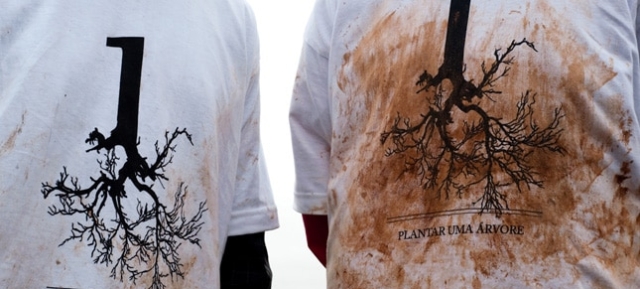
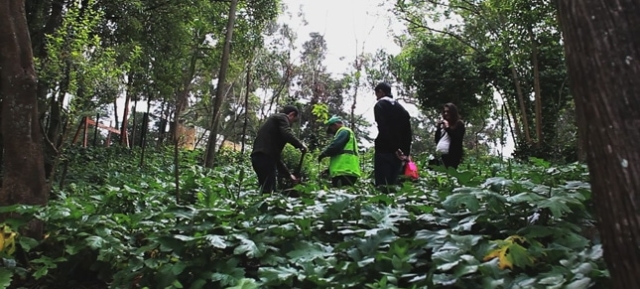
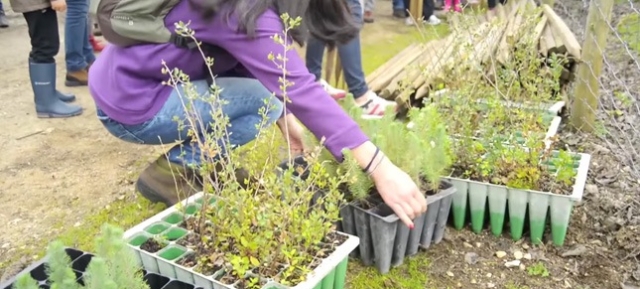
Plantar Uma Árvore is one of the NGOs that promote sustainable ways to travel. Indeed, the organization carries out ecotourism programs in order to limit the impact of massive tourism.
In conclusion, if you, dear reader, want to travel while reducing your impact on Nature, you can follow the tips above and enjoy your trip to the fullest!”

Autoria: Noémie Huin