Artigo dos voluntários do Corpo Europeu de Solidariedade
Este mês partilhamos um artigo da autoria de um voluntário do projeto Corpo Europeu de Solidariedade – Volunteer Escapes. Os conteúdos partilhados resultaram do seu projeto de pesquisa de campo e bibliográfica, com o objetivo de fazer comunicação de ciência e divulgação dos trabalhos realizados aquando do seu voluntariado na Associação.
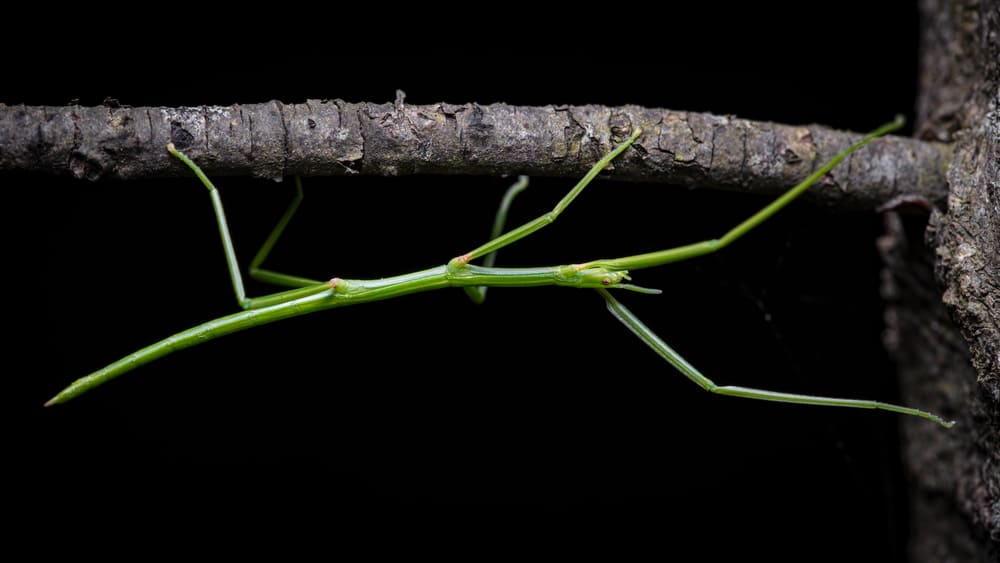
“This past summer, while working among dense thickets of blackberry bushes in the heart of Mata do Bussaco, several stick insects were sighted calmly swaying with the breeze—perfectly blending into the rambles. These graceful, twig-like creatures, often called walking sticks, represent one of the forest’s most discreet yet fascinating forms of life. Though many visitors never notice them, they are vital parts of Bussaco’s ecosystem, maintaining the delicate balance between vegetation and insect life.
Species Present in the Forest
Three species of stick insects are known or highly likely to inhabit the Bussaco region:
•Bacillus rossius – the common Mediterranean stick insect, widespread in southern Europe and native to Portugal. It is typically brown or green and feeds heavily on leaves of brambles (Rubus ulmifolius), ivy (Hedera helix), and privet (Ligustrum spp.).
• Pijnackeria masettii – a rare Iberian species belonging to the tribe Gratidiini, found in warm shrub zones and mixed woodlands.
• Leptynia attenuata – an endemic Portuguese species that inhabits dry forest edges and laurel thickets, identified in regions just north and east of Bussaco.
Conservation Status and Rarity
Although none of the Portuguese stick insect species are currently classified as endangered on the IUCN Red List, they are considered locally uncommon due to their exceptionally cryptic camouflage and specialized habitats. The endemic Leptynia attenuata is of particular ecological importance as one of Portugal’s few endemic phasmids, deserving monitoring and habitat protection efforts.
Feeding Habits
Stick insects in Bussaco are herbivores, feeding primarily on the leaves of:
• wild brambles (Rubus spp.)
• oaks (Quercus spp.)
• laurels (Laurus nobilis)
• honeysuckle and privet shrubsTheir feeding occurs mostly at night. During the day, they remain motionless, aligned with twigs or branches to evade birds, frogs, and small mammals.
Threats to Their Survival
Like many forest invertebrates, Bussaco’s stick insects face a combination of subtle but serious threats:
• Habitat disturbance from pathway expansion, tourism, and invasive plant removal.
• Pesticide drift from nearby agricultural zones reducing the availability of host plants and larvae survival.
• Climate change, causing seasonal desynchronization between egg hatching and foliage availability.
• Predation pressure from introduced species such as non-native reptiles and small mammals.
Conservation and Preventive Measures
To ensure the survival of Bussaco’s phasmids, several preventive actions are recommended:
1. Limit pesticide use near forest boundaries and horticultural sections.
2. Encourage native vegetation restoration, particularly shrubs like bramble and laurel that host these insects.
3. Conduct nocturnal monitoring programs to assess population densities and breeding success.
4. Educate visitors about the ecological role of stick insects, promoting awareness rather than collection.
5. Maintain microhabitats such as decaying wood and understory thickets that provide shelter and oviposition sites.
Closing Reflection: the discovery of multiple stick insect specimens in the blackberry-dense areas of Mata do Bussaco is more than an entomological curiosity—it highlights the continued health of a biodiverse microclimate.
Protecting these delicate creatures ensures the preservation of both Bussaco’s ancient natural mosaic and the subtle harmony between insect and plant life that has evolved there for centuries.”

Autoria: voluntário Florin-Adrian Matei