Artigo dos voluntários do Corpo Europeu de Solidariedade
Este mês partilhamos um artigo da autoria de um voluntário do projeto Corpo Europeu de Solidariedade – Volunteer Escapes. Os conteúdos partilhados resultaram do seu projeto de pesquisa de campo e bibliográfica, com o objetivo de fazer comunicação de ciência e divulgação dos trabalhos realizados aquando do seu voluntariado na Associação.
“What is an intervention: any planned human action within a forest ecosystem to achieve specific goals, like improving health, restoring degraded areas, managing resources (timber, water, wildlife), preventing fires, or enhancing livelihoods, ranging from light touch (thinning, controlled burns) to intensive restoration (replanting, invasive species removal). Forest management can include anything from low intensity to high intensity interventions using different practices, tools, and techniques.
Forest management is different for natural and planted forest systems.
In a natural forest, trees and plants occur and regenerate naturally. Trees are of varying ages and the forest typically features great biodiversity, with many different trees, plants and animals calling the forest home. Forest management in natural forests focuses its practices on the existing trees and other species in the forest and is usually low intensity by nature.
Forest management for conservation
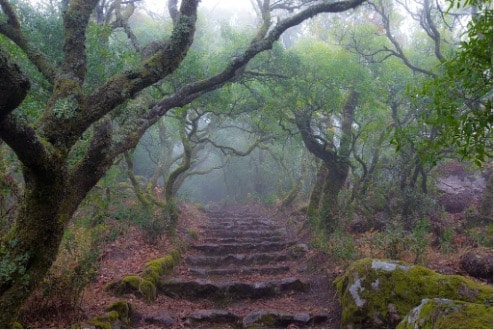
Ecological forest management, or forest management for conservation aims to conserve and protect the forest into the future. The forest is managed in a way that will ensure no species goes extinct and the species balance and
gene pool is maintained. Activities focus on protecting and restoring biodiversity to allow the continued existence of all the trees, plants and animals that were therebefore.
Climate change could cause certain species to disappear or flourish at unexpected rates. Forest management strategies can aim to mitigate these effects and adapt to the changing climate, but this is a continued challenge due to the unpredictability of climate change.
Key rules for sustainable forestry
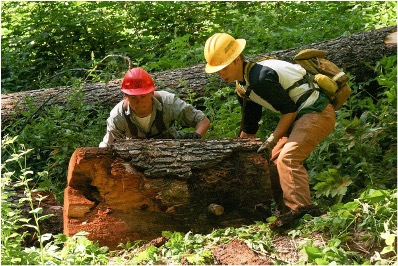
- Use reduced-impact logging techniques
Many people associate logging with the image of a bulldozer leaving behind a denuded landscape, but it is possible to harvest timber without causing collateral damage to other parts of a forest.
Reduced-impact techniques allow loggers to fell and extract trees in a manner that reduces damage to other trees in the stand. This approach also minimizes erosion, waste, and carbon emissions.
- Train employees & keep them healthy
A forestry business that does not protect its workers is not only unethical, but also unsustainable. Well-trained and healthy employees are essential to ensuring that these enterprises function safely and efficiently. In an examination of community-run forestry businesses in Brazil, certified enterprises did a far better job of protecting their workers than their noncertified peers. Members of certified enterprises were four times more likely to have taken part in a safety course;
- Respect local communities & foster economic development
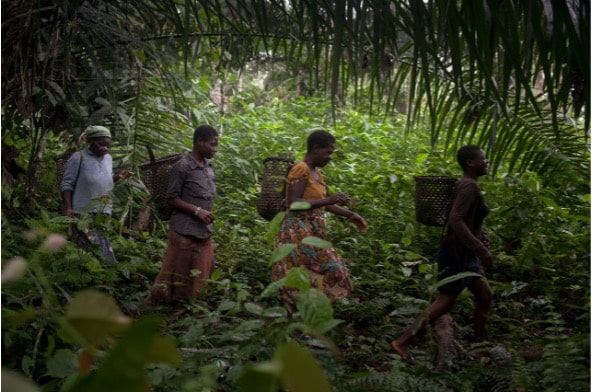
For forestry businesses to be sustainable, they must operate in harmony with their surroundings. This means more than just the natural ecosystems in which they are located; it also applies to the human neighbors withwhich they co-exist. It means that a certified business must contribute to the social and economic development of a community by offering its members opportunities for employment and compensating indigenous groups for the traditional knowledge that they share regarding forest species and operations. These are not onlysocially responsible steps, but they also benefit the environment. Providing jobs to local people, for example,can eliminate the incentive to engage in profitable but destructive activities such as wildlife poaching and illegal logging.”

Autoria: voluntária Maria Ioakeimidou