Artigo dos voluntários do Corpo Europeu de Solidariedade
Este mês partilhamos um artigo da autoria de um voluntário do projeto Corpo Europeu de Solidariedade – Volunteer Escapes. Os conteúdos partilhados resultaram do seu projeto de pesquisa de campo e bibliográfica, com o objetivo de fazer comunicação de ciência e divulgação dos trabalhos realizados aquando do seu voluntariado na Associação.
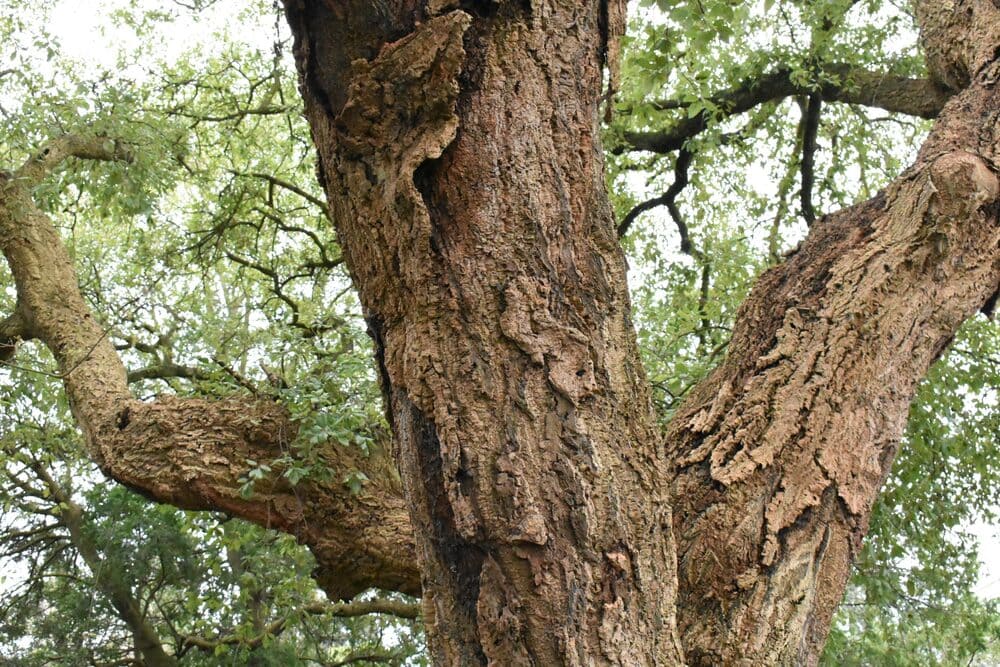
“The cork oak (Quercus suber) is a defining feature of the Mediterranean landscape, particularly in Portugal, which is home to about one-third of the world’s cork oak forests. These trees are the heart of the montado, a traditional system that balances farming and nature while supporting vast biodiversity. However, this legendary ecosystem is currently facing significant changes driven by climate shifts and management challenges.
Unfortunately the Mediterranean region has become a hotspot for climate change, meaning the effects of climate change are witnessed to be more extreme there than because of the specific vulnerability of their location. The results are temperatures climbing and rainfall becoming more unpredictable. . This shift creates a condition known as “fuel aridity,” where forests become dangerously dry and more susceptible to large-scale fires. While the changing climate sets the stage for these blazes, research shows that almost all of them are actually triggered by human activities, such as the negligent burning of agricultural waste.
These conditions are partly reason for the concerning trend that 59% of cork oak forests in Portugal are not regenerating naturally. This means that when old trees die, there aren’t enough young ones growing to replace them. Summer droughts are the biggest hurdle for young seedlings, which often cannot survive the extreme heat and lack of water during their first few years. Additionally, animals frequently eat the acorns before they have a chance to sprout, further limiting the forest’s ability to grow back. Furthermore cork oaks face a constant internal struggle for resources; in years where they produce a massive amount of acorns—known as mast years—they often produce significantly fewer leaves.
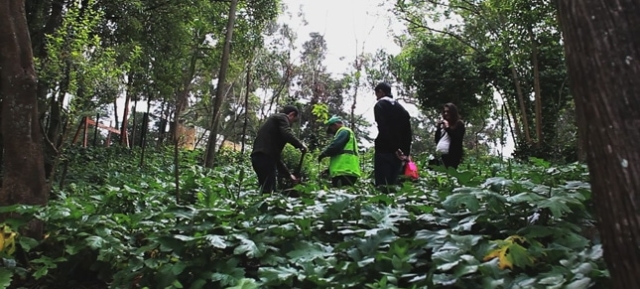
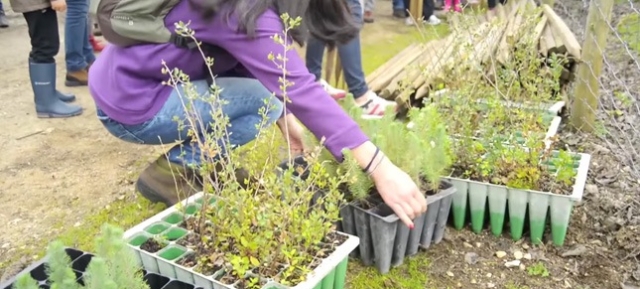
Despite these threats, researchers are developing smart management strategies to protect these forests some already being implemented at Plantar uma Árvore where we are always adapting our strategies to get the best results. Here are some strategies found by research:
• Using Microclimates: Planting young trees in cooler areas, such as north-facing slopes or near water lines, significantly improves their survival rates.
• Shrubs as Protectors: Keeping certain shrubs near young oaks can act as “nurse plants,” providing shade and shielding them from the intense summer sun.
• Canopy Cover: Maintaining a denser tree cover helps create a stable environment that protects the soil and young seedlings from extreme weather.
• Smart Irrigation: New studies suggest that temporary irrigation can help young trees grow faster and reach maturity much earlier than they would in nature.
In conclusion the future of Portugal’s cork forests depends on moving away from old management styles and embracing climate-smart techniques. By using the land’s natural microclimates and protecting the trees during their most vulnerable stages, Portugal can make its iconic landscapes more resilient for the future.”

Autoria: voluntária Anna/Francis Armbruster